Hamilton & Chase Tours
Epic Japan — Private Package 14-day Japan tour: The complete Japan circuit — Tokyo to Fukuoka, covering every region in fourteen days.

14-Day Private Package Journey

Epic Japan

The complete Japan circuit — Tokyo to Fukuoka, covering every region in fourteen days.

Available as Private Semi-Private Self-Guided
From €6,490 per person 14 days / 13 nights
View Itinerary

Tour Overview

14 days across Japan.

Japan is a country that requires two visits to begin to understand and a lifetime to exhaust. The first visit covers the classical circuit; the second adds what the first missed. This fourteen-day private journey attempts the most complete single-visit experience available — covering Tokyo and its satellite sites, the Japanese Alps, the Edo-period city of Kanazawa, the full Kyoto temple circuit, Hiroshima, the island of Miyajima, Nara, and Kyushu's ancient capital of Fukuoka — without rushing any of them. It is the journey for travellers who want Japan completely rather than Japan approximately, who understand that the quality of attention is the point and are prepared to give it the time it needs. Fourteen days is the minimum for this circuit to feel unhurried.

Detailed Itinerary

Your journey, day by day.

Every day is designed with breathing room. Sleep in, take a detour, linger at lunch — the itinerary flexes around you, not the other way around.

Day 1 — Arrival in Tokyo
Day 1
1

Day 1

Arrival in Tokyo

The world's largest city — first impressions.

Your private driver meets you at Narita or Haneda Airport. The afternoon at leisure in the hotel neighbourhood — the first Tokyo walk, the first encounter with Japanese everyday life at its most ordinary and most extraordinary simultaneously. Welcome dinner at a restaurant your specialist has calibrated to your preferences: the counter omakase where the chef decides, the shabu-shabu where you cook paper-thin wagyu in hot broth at the table, or the neighbourhood izakaya whose yakitori and cold beer are the specific social institution that Tokyo evenings are built around.

  • Private airport transfer
  • First Tokyo evening walk
  • Welcome dinner — Tokyo restaurant culture
4–5★ hotel, Tokyo
Day 2 — Tokyo: The Ancient and the Future
Day 2
2

Day 2

Tokyo: The Ancient and the Future

The 7th-century temple district, the old neighbourhood, and the digital art installation.

Your private Tokyo guide begins in Asakusa: the Senso-ji temple founded in 645 AD, the Nakamise shopping street, and the Sumida River. Yanaka — the old merchant quarter that survived the 1923 earthquake and 1945 firebombing — for the low wooden streets and neighbourhood temples of pre-war Tokyo. The Tokyo National Museum in Ueno: the finest Japanese art collection in existence, including the Horyuji Treasures. The Nezu Shrine torii tunnel. The afternoon: teamLab Borderless or teamLab Planets — pre-booked, essential. The evening in Shinjuku's Golden Gai — 200 tiny bars in six alleys, frequented by Tokyo's film and literature world since the 1950s.

  • Senso-ji and Asakusa — the oldest Tokyo
  • Tokyo National Museum — Japanese art, 7th century to present
  • Nezu Shrine torii tunnel
  • teamLab Borderless digital art
Meals: Breakfast 4–5★ hotel, Tokyo
Day 3 — Tokyo: The Modern City
Day 3
3

Day 3

Tokyo: The Modern City

Shibuya, Harajuku, and the architecture that the 21st century built.

The second Tokyo day covers the city that is not ancient: the Shibuya Scramble crossing (3,000 people in every direction simultaneously at every change of the light), the Meiji Shrine in the zelkova forest at the centre of the city, Harajuku and the creative extremity of Takeshita Street, and Omotesando — the tree-lined avenue whose buildings were designed by Tadao Ando, Kengo Kuma, Herzog & de Meuron, and SANAA. The Roppongi district for the afternoon: the Mori Art Museum at the top of the Roppongi Hills tower, with a view of Tokyo from 52 floors and the finest contemporary art museum in Japan. The evening in Ginza — the most expensive address in Tokyo and the location of the department stores whose food halls (depachika) are the most concentrated display of Japanese food culture available.

  • Shibuya Scramble — the most photographed crossing in the world
  • Meiji Shrine in the forest
  • Omotesando architecture — the world's finest retail street
  • Mori Art Museum and the Tokyo skyline at 52 floors
Meals: Breakfast 4–5★ hotel, Tokyo
Day 4 — Nikko: The Mountain Mausoleum
Day 4
4

Day 4

Nikko: The Mountain Mausoleum

The shogun's shrine in the cedar forest.

Nikko is two hours north of Tokyo. The Tosho-gu shrine complex built for the mausoleum of Tokugawa Ieyasu — the most elaborately decorated religious site in Japan: the Yomeimon gate with 508 carved animals, the three wise monkeys, the 13,000 cedars planted by a lord who gave trees in lieu of gold. Your private guide explains the political theology of the Tokugawa shogunate through the architecture and symbolism of the complex. Rinno-ji temple, the Shinkyo Sacred Bridge, and the cedar avenue to the inner shrine. Return to the mountain ryokan at Chuzenji Lake for the evening.

  • Tosho-gu — the most ornate shrine in Japan
  • Yomeimon gate and 508 carved animals
  • 13,000-cedar avenue
  • Chuzenji Lake ryokan
Meals: Breakfast Traditional ryokan, Nikko / Chuzenji
Day 5 — Hakone: Mt Fuji and the Ryokan
Day 5
5

Day 5

Hakone: Mt Fuji and the Ryokan

The volcano, the lake, and the first kaiseki dinner.

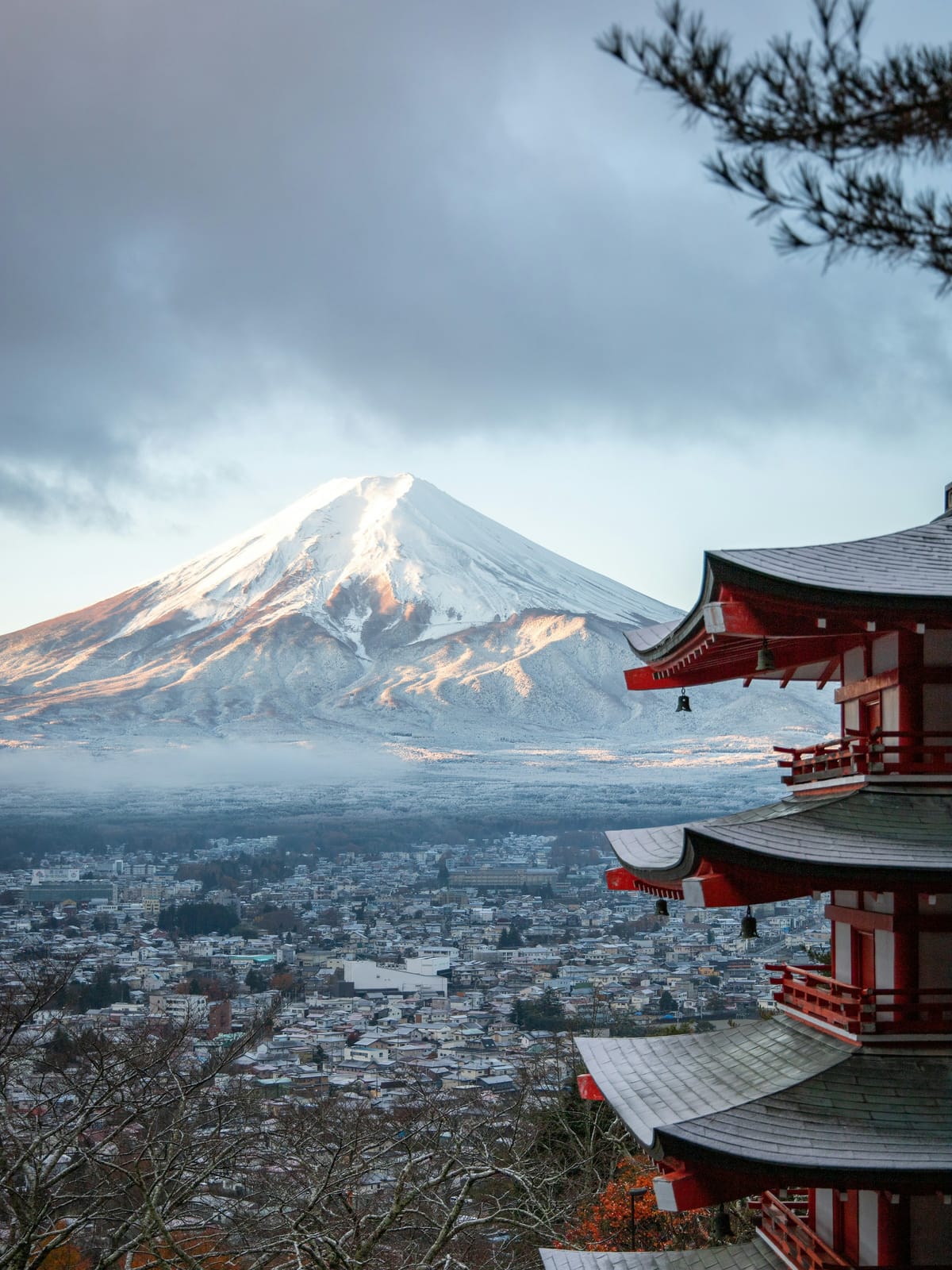
Drive from Nikko through the Kanto plain to Hakone: the volcanic region southwest of Tokyo whose Ashinoko Lake provides the classic Mt Fuji reflection on clear mornings. The Hakone Open-Air Museum in the morning. By early afternoon, the second ryokan: the volcanic onsen bath, the kaiseki dinner of mountain and seasonal ingredients, and the quality of silence that comes with being in a traditional inn after a long day of travel.

  • Ashinoko Lake — Mt Fuji in reflection
  • Hakone Open-Air Museum
  • Second ryokan and kaiseki dinner
  • Volcanic onsen bath
Meals: Breakfast Premium ryokan, Hakone
Day 6 — Kanazawa: Edo Japan Intact
Day 6
6

Day 6

Kanazawa: Edo Japan Intact

The only major Japanese city that was never bombed.

The Shinkansen and limited express train from Odawara to Kanazawa takes three hours via Nagoya. Kanazawa was Japan's second-largest city in the Edo period and is the most complete preservation of that era's urban fabric. Kenroku-en garden — one of the three great gardens of Japan — in the afternoon. The Higashi Chaya geisha district, the Omicho market, and the Kanazawa seafood dinner that the Japan Sea coast produces: snow crab, buri yellowtail, and the lacquerware tableware that the Kanazawa craft tradition has been making since the 16th century.

  • Kenroku-en garden — 300 years of accumulation
  • Higashi Chaya geisha district
  • Omicho market — Japan Sea seafood
  • Kanazawa lacquerware craft tradition
Meals: Breakfast 4–5★ hotel, Kanazawa
Day 7 — Kyoto: Arrival and the First Shrines
Day 7
7

Day 7

Kyoto: Arrival and the First Shrines

The thousand-year capital, on the first afternoon.

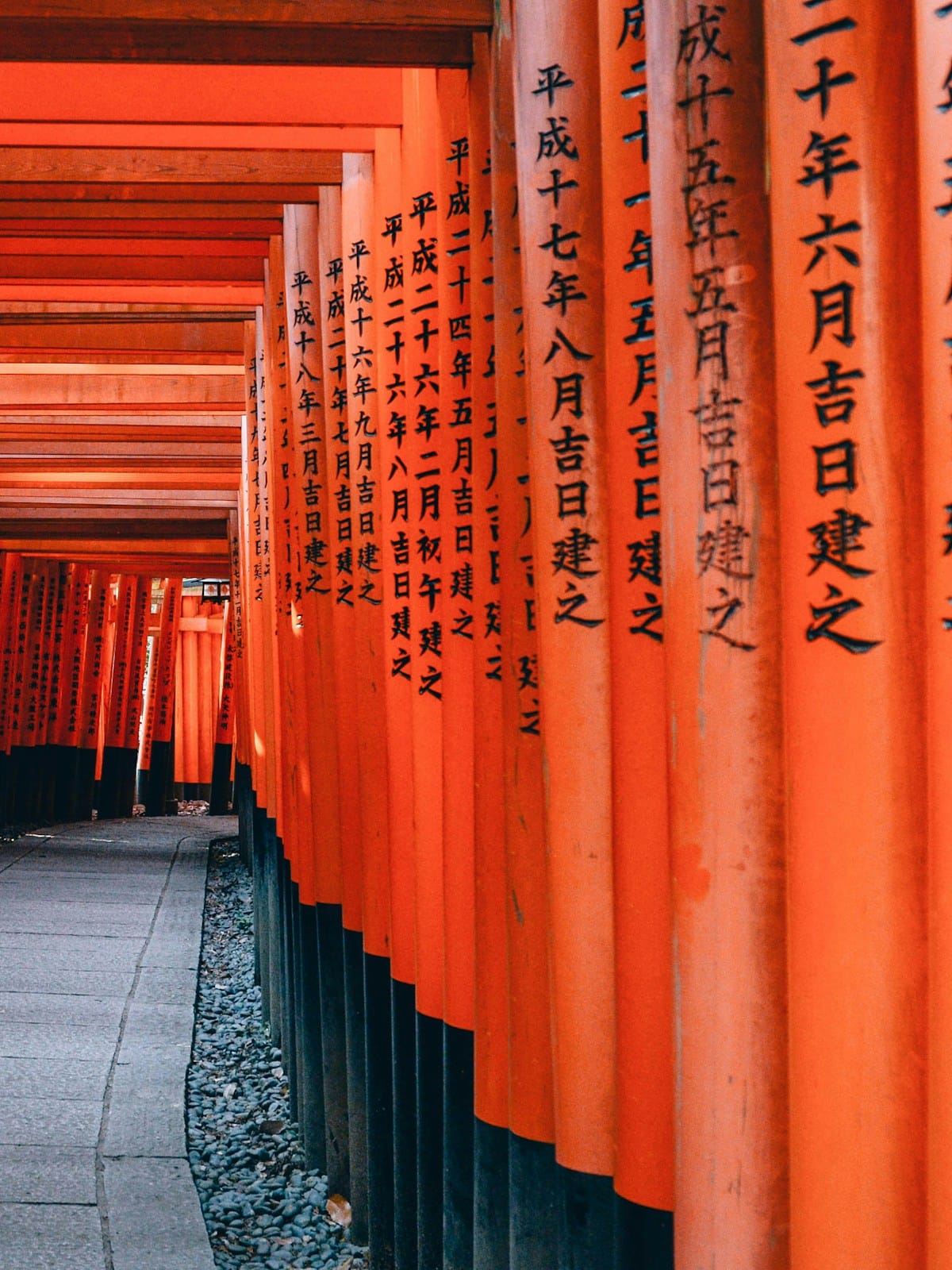
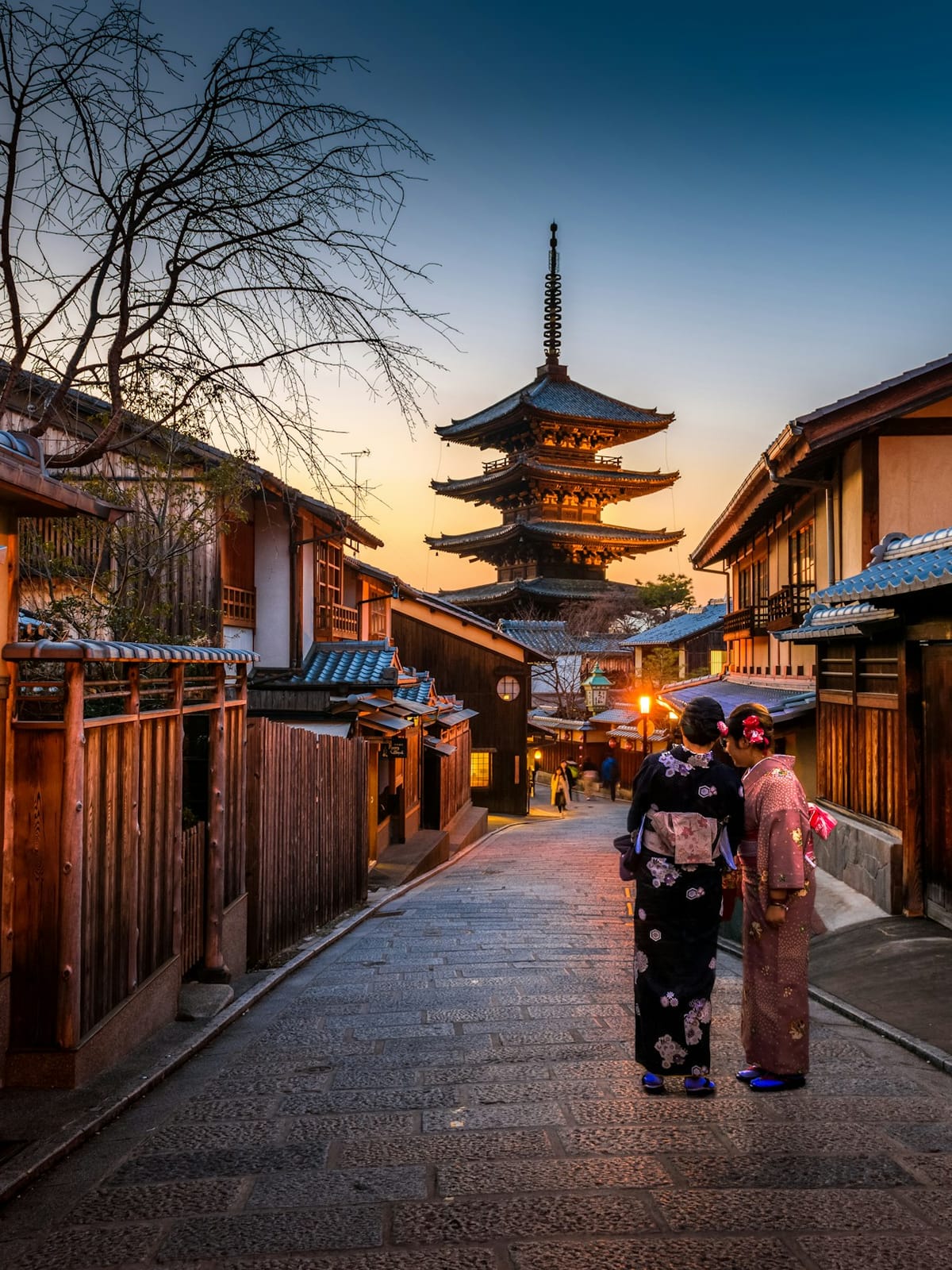
Express train from Kanazawa to Kyoto: ninety minutes. Your Kyoto private specialist guide meets you at the hotel. The afternoon: Fushimi Inari Taisha — the ten thousand torii gates ascending the mountain behind the city, the lower gates busy and the upper paths quiet with forest and stone fox shrines. Gion in the evening: the machiya townhouse district, the teahouse lanterns, and the maiko walking to their engagements in full kimono.

  • Express train Kanazawa to Kyoto
  • Fushimi Inari — ten thousand torii gates
  • Gion evening — the geisha district
  • Kyoto private specialist guide
Meals: Breakfast 4–5★ hotel, Kyoto
Day 8 — Kyoto: The Great Temples
Day 8
8

Day 8

Kyoto: The Great Temples

The cliff temple, the golden pavilion, and the philosopher's canal.

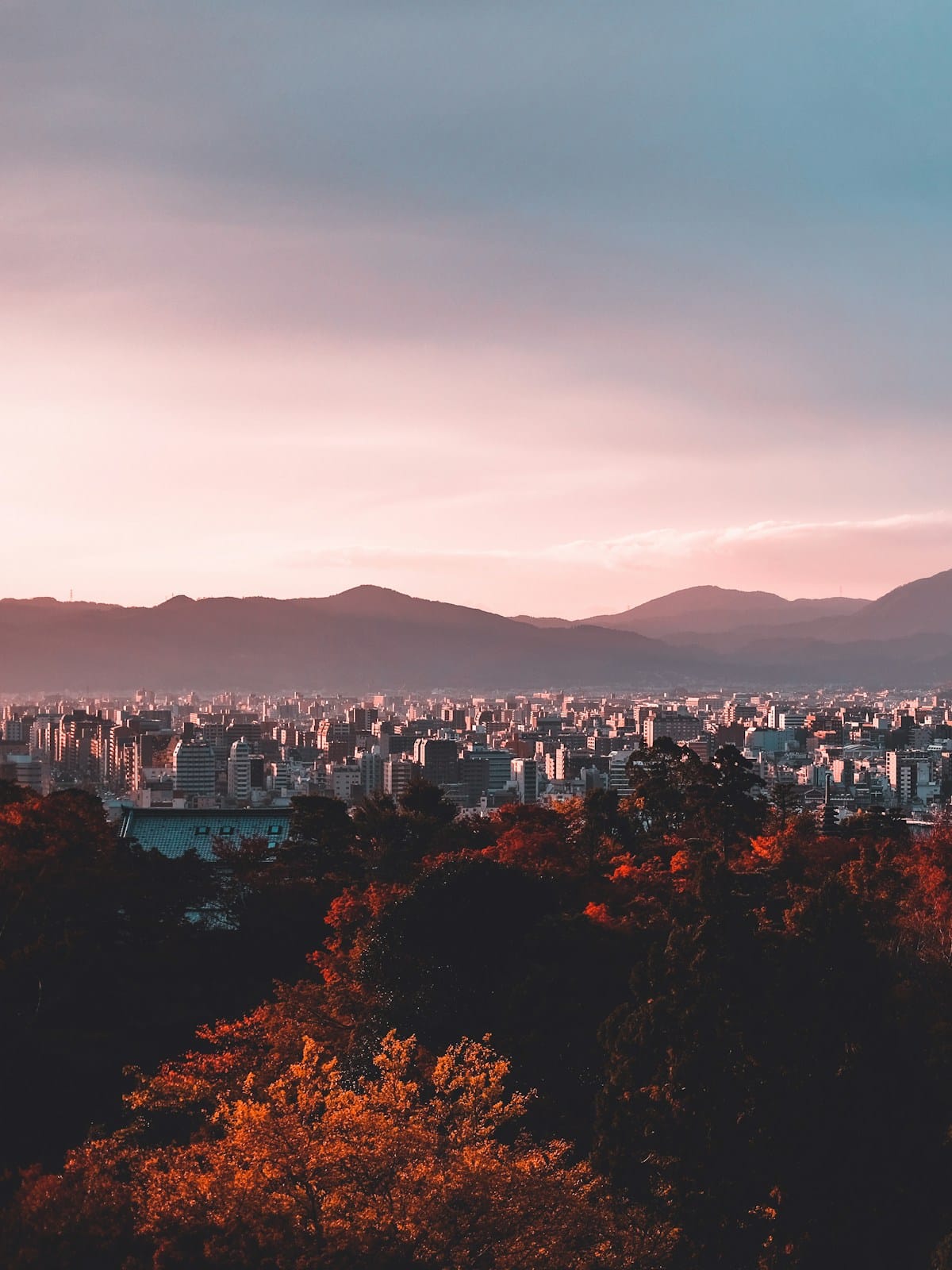
Kiyomizu-dera in the morning, before the tour groups arrive at ten. Ninen-zaka and Sannen-zaka merchant lanes below. Kinkaku-ji for the midday reflection. Ginkaku-ji and the Philosopher's Path canal walk connecting the two. The Nishiki Market in the late afternoon for the Kyoto food: pickles, dried tofu, matcha sweets, the tofu that Kyoto has been producing from the same underground water source since the 17th century.

  • Kiyomizu-dera — wooden cliff temple at morning quiet
  • Kinkaku-ji — the Golden Pavilion reflection
  • Philosopher's Path and the canal
  • Nishiki Market food walk
Meals: Breakfast 4–5★ hotel, Kyoto
Day 9 — Kyoto: Arashiyama and the Zen Temples
Day 9
9

Day 9

Kyoto: Arashiyama and the Zen Temples

The bamboo, the garden, and the sub-temples that nobody visits.

Arashiyama bamboo grove before nine. Tenryu-ji Zen garden — the finest in Japan, designed in 1339. The afternoon: Daitoku-ji — the complex of Zen sub-temples in the northwest of the city with the most complete collection of Japanese dry garden (karesansui) compositions in existence, and a fraction of Kinkaku-ji's visitors. The Ryogen-in sub-temple's five distinct garden compositions around a single building. Evening on the Pontochō dining alley above the Kamogawa River.

  • Arashiyama bamboo grove at dawn
  • Tenryu-ji UNESCO Zen garden
  • Daitoku-ji — the sub-temples without crowds
  • Pontochō river dining alley
Meals: Breakfast 4–5★ hotel, Kyoto
Day 10 — Nara: The Sacred and the Monumental
Day 10
10

Day 10

Nara: The Sacred and the Monumental

Japan's first capital, the oldest wooden buildings in the world, and 1,200 divine deer.

Nara in the morning: Horyu-ji — the oldest Buddhist temple in Japan, completed 607 AD, with wooden structures that have been standing for over 1,400 years — before the midday crowds. Return to Nara city for Todai-ji (the Great Buddha Hall, the largest wooden structure in the world) and the 1,200 sacred deer in the park. Kasuga Taisha shrine in the cedar forest. Isui-en garden. Return to Kyoto for a final evening in the city.

  • Horyu-ji — the oldest Buddhist temple in Japan
  • Todai-ji Great Buddha Hall
  • Nara's 1,200 sacred deer
  • Kasuga Taisha shrine
Meals: Breakfast 4–5★ hotel, Kyoto
Day 11 — Hiroshima: The Memorial City
Day 11
11

Day 11

Hiroshima: The Memorial City

August 6, 1945 — and what has been built since.

Shinkansen from Kyoto to Hiroshima takes forty-five minutes. The Hiroshima Peace Memorial Museum and the Atomic Bomb Dome — the most significant historical memorial site in post-war Japan. Your private guide has worked the Hiroshima site for fifteen years and brings the same precision and humanity to every visit. The history of the decision, the immediate and long-term effects, and the extraordinary story of Hiroshima's recovery. The Peace Park, the Memorial Cenotaph, the Children's Peace Monument and Sadako's thousand cranes. The Hiroshima oysters for lunch — the city is also Japan's largest oyster producer. Overnight in Hiroshima.

  • Atomic Bomb Dome — the preserved hypocenter building
  • Peace Memorial Museum — post-2019 renovation
  • Peace Park and the Memorial Cenotaph
  • Hiroshima oysters
Meals: Breakfast 4–5★ hotel, Hiroshima
Day 12 — Miyajima: The Island of Gods
Day 12
12

Day 12

Miyajima: The Island of Gods

The torii gate in the sea and the sacred island.

Ferry from Hiroshima to Miyajima — twenty minutes. The Itsukushima Shrine on its tidal flat piers and the Grand Torii gate rising from the sea: at high tide, floating; at low tide, walkable across the wet sand. The island's deer. Mt Misen by ropeway for the view of the Inland Sea and the mainland mountains. The Daisho-in temple complex on the mountain slopes below the ropeway, whose 500 stone Rakan (disciple) statues each have a hand-knitted hat placed by a devotee. Shinkansen from Hiroshima to Fukuoka (Hakata station) in the afternoon — fifty minutes.

  • Itsukushima Shrine and the Grand Torii
  • Mt Misen ropeway — the Inland Sea from above
  • Daisho-in temple — 500 Rakan statues with knitted hats
  • Shinkansen to Fukuoka
Meals: Breakfast 4–5★ hotel, Fukuoka
Day 13 — Fukuoka: Ancient Kyushu
Day 13
13

Day 13

Fukuoka: Ancient Kyushu

Japan's gateway to the continent — ramen, ancient tombs, and the most relaxed major city in Japan.

Fukuoka is the oldest gateway between Japan and the Asian continent — the city where Chinese Buddhism first arrived in Japan in the 6th century, where the Mongol invasions of 1274 and 1281 were repelled (with the help of the typhoon that became the Kamikaze), and where Hakata ramen was invented. The Dazaifu Tenmangu shrine — the most important Shinto shrine in Kyushu, dedicated to the scholar-deity Tenjin and surrounded by plum trees — is thirty minutes east of Fukuoka. The Kushida Shrine, whose annual Hakata Gion Yamakasa festival (July) involves men carrying enormous 10-metre floats through the city streets. The Canal City Hakata — the urban entertainment complex designed by Jon Jerde — for the afternoon. Fukuoka's yatai street food stalls set up along the Naka River each evening for ramen, oden, and yakitori under the lanterns.

  • Dazaifu Tenmangu shrine — the most important in Kyushu
  • Kushida Shrine and Hakata culture
  • Fukuoka yatai street food stalls by the river
  • Hakata ramen — the origin of the bowl
Meals: Breakfast 4–5★ hotel, Fukuoka
Day 14 — Departure from Osaka or Fukuoka
Day 14
14

Day 14

Departure from Osaka or Fukuoka

Japan's final morning.

Shinkansen from Fukuoka to Osaka takes two hours and fifteen minutes, or direct departure from Fukuoka International Airport if flights allow. In Osaka: the Dotonbori canal food street for a final takoyaki and a walk through Kuromon market. Your private driver transfers you to Kansai International or Itami Airport at the agreed time. Japan rewards return visits more than any other country in the world — the certainty of that is usually apparent by the last morning.

  • Shinkansen Fukuoka to Osaka — or direct Fukuoka departure
  • Final Osaka morning — Dotonbori and Kuromon
  • Private transfer to Kansai Airport
Meals: Breakfast

Where You'll Stay

Hand-picked hotels, every night.

We choose properties for character, location, and the kind of service that makes you feel looked after — not just checked in. Every hotel can be swapped for an alternative if you prefer.

4–5★ hotel, Tokyo

Tokyo

3 nights

4–5★ hotel

Shinjuku or Shibuya

Three Tokyo nights — the full city circuit and the teamLab experience

Traditional ryokan, Nikko / Chuzenji

Nikko / Chuzenji

1 night

Traditional ryokan

Chuzenji Lake

Mountain ryokan above Nikko

Premium ryokan with private onsen, Hakone

Hakone

1 night

Premium ryokan with private onsen

Hakone

Volcanic onsen and kaiseki dinner

4–5★ hotel, Kanazawa

Kanazawa

1 night

4–5★ hotel

City centre

Near Kenroku-en and the Higashi Chaya district

4–5★ hotel, Kyoto

Kyoto

4 nights

4–5★ hotel

City centre or Higashiyama

Four nights — the full Kyoto circuit at the right pace

4–5★ hotel, Hiroshima

Hiroshima

1 night

4–5★ hotel

City centre

Overnight for full Peace Memorial morning and Miyajima day

4–5★ hotel, Fukuoka

Fukuoka

2 nights

4–5★ hotel

Hakata district

Two nights in Kyushu — Miyajima day trip and Dazaifu morning

Hotels shown are indicative of the standard we book. Upon request, we will provide a detailed itinerary with specific hotel options tailored to your preferences and budget.

What's in the Price

Included

  • 13 nights in 4–5★ hotels and premium ryokan
  • Daily breakfast and 2 kaiseki ryokan dinners
  • Welcome dinner in Tokyo
  • Private airport transfer in Tokyo
  • All private vehicle transfers
  • Shinkansen tickets throughout
  • Tokyo private guide (two days)
  • Kyoto private specialist guide (two days)
  • Hiroshima Peace Memorial specialist guide
  • Kanazawa guided tour
  • Nikko Tosho-gu private guide
  • Miyajima guided visit and ropeway
  • Dazaifu Tenmangu guided visit
  • Horyuji temple entry
  • Todai-ji entry
  • teamLab Borderless and Mori Art Museum admission
  • Tokyo National Museum entry
  • Kenroku-en garden entry
  • Hakone Open-Air Museum
  • All entrance fees for guided visits
  • 24/7 travel specialist support
  • Hamilton & Chase digital travel booklet

Not Included

  • International flights to/from Japan
  • Travel insurance (required — we can arrange on request)
  • Meals not listed
  • Personal expenses
  • Gratuities for guides and drivers
  • Accommodation tax (collected by hotels)

Good to Know

  • The Japan Rail Pass (JR Pass) covers all Shinkansen travel on this itinerary and represents significant value for fourteen days — your specialist will advise on pass type and purchase before departure.
  • Four nights in Kyoto is the right allocation for this itinerary. Do not reduce this.
  • Fukuoka's yatai street food stalls are one of the distinctive experiences of the city — they operate weather-permitting and close when it rains.
  • This is a one-way journey (Tokyo arrival, Osaka or Fukuoka departure) requiring an open-jaw flight. Most major carriers offer Tokyo–Osaka open-jaw without difficulty.
  • Year-round operation: cherry blossom (late March–April) and autumn colour (mid-November) are the most visually dramatic seasons but require earlier booking and involve more crowds.

Make It Yours

Optional add-ons & upgrades.

Every trip is different. These extras can be woven into your itinerary — just let your travel specialist know what catches your eye.

Kamikochi Japanese Alps extension

Replace or extend the Hakone section with two nights near Kamikochi — the protected alpine valley of the Hida mountains, accessible only by bus, with the Hodaka peaks above and Japanese macaques at the river. Adds two days.

From €290 pp

Tokyo DisneySea

Replace one of the Tokyo cultural days with a full day at Tokyo DisneySea — the world's highest-rated theme park, with Premier Access reservations pre-arranged

From €125 pp

Beppu Onsen, Kyushu

Beppu on Kyushu's eastern coast has the highest volume of hot spring output of any city in the world — the Jigoku (Hell) hot spring circuit and a traditional Beppu onsen as a Kyushu addition

From €185 pp

Private sake education, Kyoto

A full morning with a Fushimi sake producer — the brewing process, the rice varieties, the seasonal releases, and a comparative tasting of unpasteurised namazake against aged koshu

From €95 pp

"We had been told to do Japan in ten days. Hamilton & Chase told us fourteen was the minimum for what we wanted to see. They were right — and even at fourteen days we left knowing that we had seen a fraction of what is there. Fukuoka on the last two days was the discovery: a city with no particular reputation outside Japan that turned out to have the best food, the friendliest people, and the most relaxed atmosphere of anywhere on the journey. We are already planning to return."

Alexander & Victoria K.

Stockholm, Sweden · Epic Japan, May 2025

Common Questions

Questions about this trip.

Is fourteen days necessary?

For this specific circuit, yes. The standard Japan itinerary (nine to ten days, Tokyo–Kyoto–Osaka) leaves out Nikko, Kanazawa, Hiroshima, Miyajima, Fukuoka, and extended Kyoto time. Each of those is worth the day it gets. Guests who have done this itinerary do not tell us they wished it was shorter.

Why end in Fukuoka rather than Osaka?

Fukuoka adds Kyushu — a genuinely different region of Japan — and is the natural final point of the Shinkansen journey south from Hiroshima. The yatai street food stalls by the river are a specific Fukuoka institution found nowhere else in Japan. If flight connections make Osaka more convenient, the itinerary ends there instead.

Private Package Journey

Epic Japan

14 days / 13 nights

From €6,490

per person

Ready to go?

Share a few details and a specialist will reply within one business day.

More Japan Tours

Prefer to Talk?

Available Mon–Fri 9am–6pm CET.
On-trip support is 24/7.

Plan My Trip